
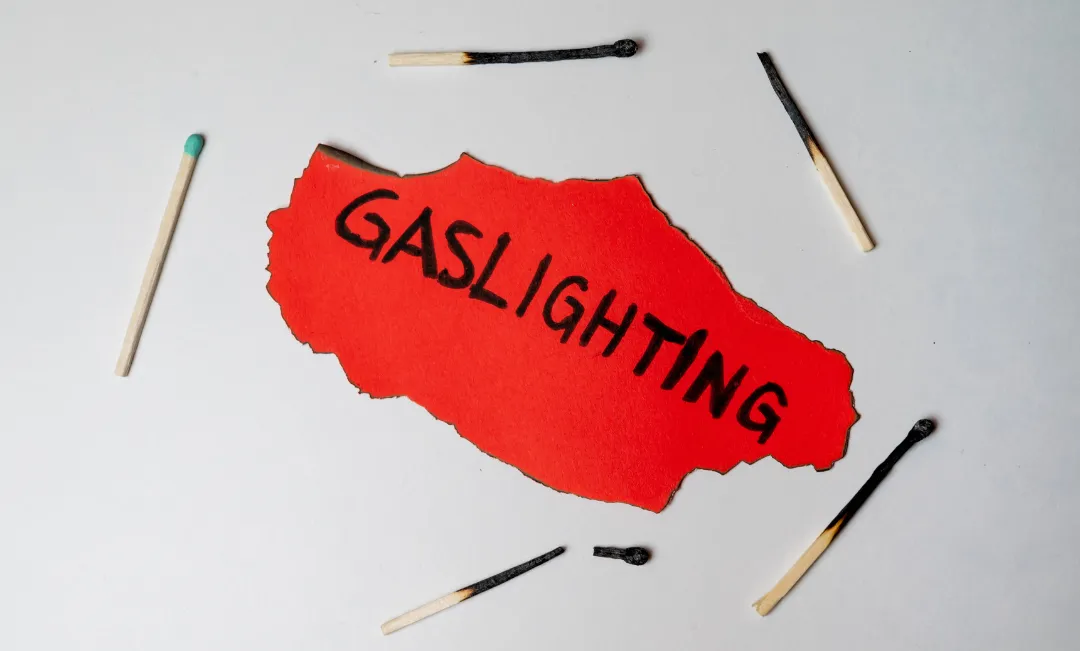
What Medical Gaslighting Is — And How It Impacts People Living With Chronic Illness
What Medical Gaslighting Is — And How It Impacts People Living With Chronic Illness
Have you ever been told your pain is “all in your head”? Or been dismissed when describing symptoms that interfere with your daily life? If so, you may have experienced medical gaslighting — a subtle, yet deeply damaging form of dismissal in healthcare.
What is Medical Gaslighting?
Medical gaslighting occurs when healthcare providers downplay, ignore, or dismiss your symptoms, making you doubt your own experience and intuition. It’s not about a single careless comment; it’s about a consistent pattern of undermining patients’ perceptions of their health.
Common phrases you might hear include:
“You’re exaggerating.”
“It’s just a bad period.”
“There’s nothing wrong with you.”
These phrases might seem small, but over time, they can chip away at your trust in yourself and your body.
Who Experiences Medical Gaslighting?
While anyone can experience medical gaslighting, it’s especially common among:
People living with chronic illnesses
Individuals with invisible conditions
Women and non-binary people
Patients with autoimmune or complex health issues
The consequences can be devastating. Not only can medical conditions go undiagnosed or untreated, but the emotional impact can create anxiety, frustration, self-doubt, and even depression.
Emotional Impact of Medical Gaslighting
Being dismissed repeatedly can leave you feeling:
Anxious or frustrated about your health
Guilty or ashamed for seeking help
Isolated, because others may not see or understand your struggle
Questioning yourself, even when your symptoms are real
This is why recognition and validation are critical.
How to Recognize It
Medical gaslighting often appears as:
Being repeatedly told “nothing is wrong” despite symptoms
Having symptoms dismissed as stress, anxiety, or exaggeration
Being passed from doctor to doctor without clear answers
Feeling ignored, minimized, or blamed for your own condition
If this feels familiar, know that you are not imagining it, and your experiences are valid.
Tips for Coping With Medical Gaslighting
Keep a detailed medical journal-Track symptoms, treatments, and appointments
Bring a written list-Questions & key points for your appointments
Take Notes-It’s impossible to remember everything being said. So take notes to go back to later.
Bring someone-It’s impossible to remember everything, all the questions, new questions. Bring someone you trust to help you remember and ask questions.
Educating loved ones-If your loved ones are having a hard time understanding what you’re going through, bring them and ask the doctor to explain what it means to live with your condition.
Ask for clear next steps in writing-Referrals, treatments, follow-ups
Seek a second opinion or new GP-Don’t stay stuck if repeatedly blocked
Self-validation reminder-Your pain is real. You deserve help. Never doubt yourself or what your body is telling you.
The Takeaway
Medical gaslighting can feel isolating, invalidating, and exhausting. But recognizing it, understanding its impact, and taking steps to advocate for yourself can help reclaim your voice in your healthcare journey.
Your experience is real. Your pain is valid. And you deserve care, attention, and respect.

“Skapa Harmoni & Balans i Vardagen”
Information
Tjänster
Kontakt
Öppettider



© Copyright 2025. Alla rättigheter reserverade.