
Why “Take It Easy” Falls Short With Chronic Illness | WBE
Why “Just Take It Easy” Isn’t Actually Helpful Advice
“Take it easy” can leave you with a lot to work out.
What does easy mean for your body? What if an ordinary task is already demanding? And how do you apply advice when what you can manage keeps changing?
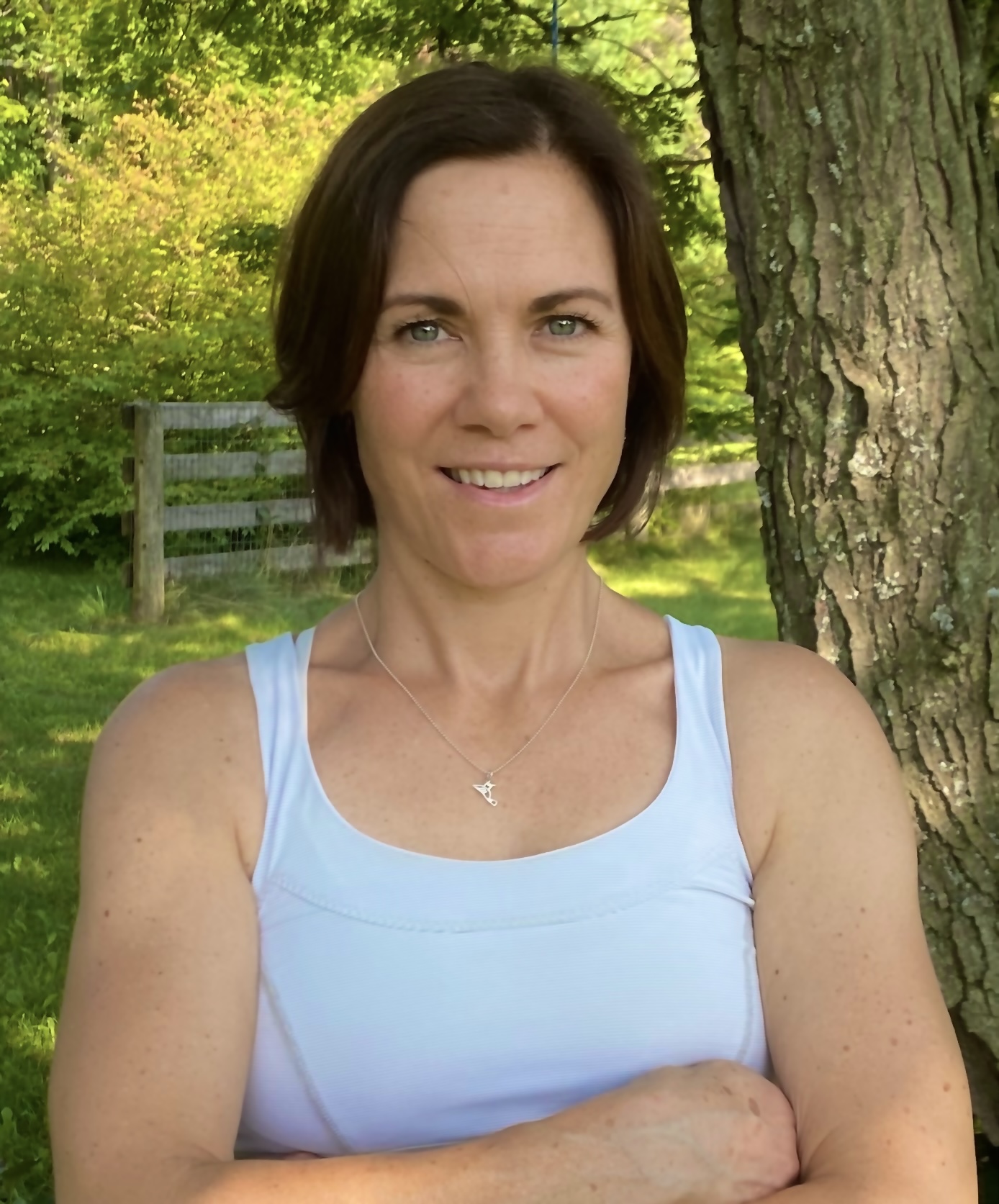
This week, I am welcoming a guest contribution from Dr. Melanie Wintle, a chiropractor and corrective exercise specialist and the founder of Move Well Health.
Melanie explores why general advice about movement can leave important questions unanswered, and offers questions to consider when thinking about an activity.
As you read, keep your own circumstances and any condition-specific guidance in view. A general article cannot determine what movement is appropriate for you.
"Just take it easy" is probably the most common piece of movement advice handed to anyone managing a health condition, fatigue, or pain. It's also one of the least useful.
It tells you to do less, without telling you how much less. It doesn't account for how much your capacity can fluctuate from one week to the next, or even one day to the next, and what counts as "taking it easy" needs to shift right along with it.
What "Take It Easy" Actually Fails to Tell You
"Take it easy" assumes everyone already knows what easy means for them, but capacity isn't something anyone really teaches you to notice. There's no universal amount of movement that's right for every body, or even for the same body every day. An important part of this is learning to check your current capacity before you move, rather than following a fixed rule regardless of how you feel.
Easy for one person might be a slow walk around the block, while for someone else, it might be a few gentle mobility moves done lying down. Both are legitimate, and neither one is specific or concrete since it depends on different factors.
Vague advice like this usually comes from a good place, it's meant to stop you from overdoing it, like so many women tend to do. However, without a way to measure what "easy" actually means, it tends to push us toward one of two extremes: avoiding movement altogether out of fear of making things worse, or pushing through anyway and paying for it the next day.
That first pattern, too much caution, comes with a cost of its own. Prolonged rest or avoidance leads to deconditioning, a real loss of strength, flexibility, and capacity from disuse, which can make the next attempt at movement feel even harder than it should. This is part of what pain science calls the fear-avoidance cycle (Vlaeyen & Linton, 2000): fear leads to avoidance, avoidance leads to deconditioning, and deconditioning reinforces the fear, each round makes the next one harder to break.
I've seen this happen often with back pain specifically, where too much rest tends to make things worse rather than better (Why Rest Makes Back Pain Worse).
How Much Movement Is Enough for Your Body Today?
The amount of movement that helps you is whatever your body can do without leaving you depleted the next day. That's a more practical definition to work from, rather than a specific number of minutes or steps.
A useful tool for checking this is the Rating of Perceived Exertion scale, also known as RPE, first described by physiologist Gunnar Borg. It asks you to rate how hard an activity feels on a simple scale, instead of measuring against an external target like a step count or total number of minutes.
For someone managing a chronic condition or fluctuating energy, staying in a low to moderate range on that scale is a good target. This means an effort that still allows conversation and doesn't leave you depleted afterward is usually a reasonable starting point. The World Health Organization's physical activity guidelines make a similar point directly: any amount of physical activity is better than none, and the guidance explicitly covers people living with chronic conditions and disabilities.
What Changes the Right Amount From Day to Day
Your capacity isn't fixed. It often changes daily with sleep, stress, pain levels, and whatever else the day is already asking of you. A day with three appointments and poor sleep leaves far less room for movement than a quiet day at home, even when nothing about your condition has changed.
This is the idea behind pacing, a self-management approach commonly used in chronic pain and fatigue care. Pacing means planning activities around your actual energy for that day, rather than around what you did last week or what you wish you could still do.
Checking in before you move, not after, is what makes pacing work. A quick scan of your energy, pain, and sleep takes less than a minute, and it tells you far more than any specific daily target would.
A Simple Way to Find Your Level Without Guessing
Three questions, asked before you move, can replace the guesswork around just "take it easy." It's close to what I use with my own clients as a chiropractor and corrective exercise specialist. This involves reading the body's signals on a simple scale rather than ignoring them or being ruled by them. This is something I've written about before when it comes to telling the difference between pain that's a warning sign and pain that isn't.
Begin by asking yourself:
• What is my energy and pain level right now, on a scale of zero to ten?
• Based on that number, what's the smallest version of movement I'd still feel good about tomorrow?
• Is there a way to get the part I actually want, time outdoors, a sense of accomplishment, connection with someone, at that smaller scale?
These answers can change from morning to afternoon, and that's normal, especially on harder days.
Being able to push through something doesn't mean it's the right choice for that day, choosing less is still movement, not a failure.
If you live with a condition where symptoms shift quickly or unpredictably, working through this with a qualified practitioner who knows your history is worth doing, especially while you're building a new routine.
What "Taking It Easy" Should Actually Mean
"Take it easy" is not inherently bad advice, it's just missing an important piece: a way to actually measure what "easy" means for your body today, rather than relying on how much you used to be able to do.
The three questions above take less than a minute, and they get easier with practice. Some days the answer will be more than you expected. Other days it will be less, and that's not a step backward, it's simply what today calls for.
About the author: Dr. Melanie Wintle is a chiropractor and corrective exercise specialist with over 30 years of experience in fitness, strength, and rehabilitation. She is the founder of Move Well Health, where she helps people understand their bodies, build lasting strength, and move with confidence. Learn more at movewellhealth.ca.
From Emmely
Knowing that you need to adjust does not always make it clear what to change, or make stopping simple.
On December 15 at 18:30 CET, I am holding a free workshop, How to Stop the Push-Crash Cycle. We will explore the pattern, the pressures around continuing, and possible adjustments or support.
If those questions feel familiar, register for the free workshop.