
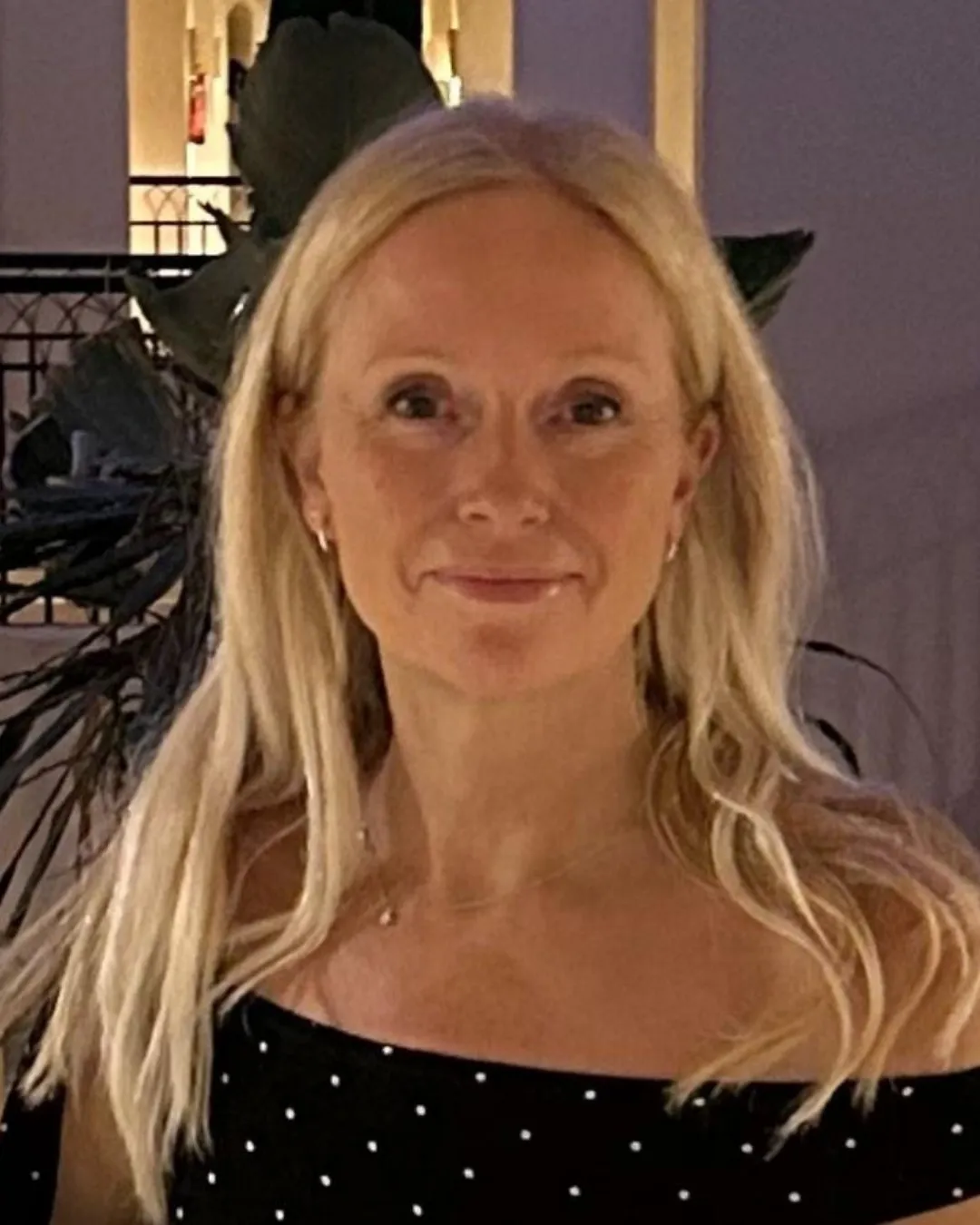
Allison's Story of Living With Anxiety
When You Feel Different From Everyone Else: Allison's Story of Living With Anxiety
There are so many things we are told we should enjoy.
Parties. Restaurants. Bars. Large gatherings. Meeting new people. Talking with other parents at the school gates. Going out for the evening and coming home with stories about what a wonderful time we had.
When these situations feel natural, it may be difficult to see how much energy they can require from someone who experiences anxiety. From the outside, a person may appear quiet, reserved, or uninterested. Inside, they may be working incredibly hard just to remain in the room.
For Allison, the hardest part was not only the anxiety. It was the feeling that she was different from everyone else.
Anxiety was present long before she had words for it
Allison has experienced anxiety for around 30 years, although she believes it began earlier.
Looking back, she remembers being an anxious and shy child who found certain situations difficult. As an adult, socializing remained one of her biggest challenges. Large crowds and claustrophobic environments felt particularly uncomfortable.
She could spend time with a couple of small groups of trusted friends. Beyond that, social situations often became much harder and more anxiety-inducing.
That difference mattered because the world around her seemed to be sending a very clear message: You should love this.
The pressure to enjoy what everyone else enjoys
When Allison's boys were at school, there was an assumption that mothers would chat endlessly at the school gates, arrange nights out, and enjoy being part of a larger social group.
She tried.
But instead of feeling connected, she felt uncomfortable and out of place.
The more she compared her internal experience with what other people appeared to find easy, the more it affected her self-esteem. She began to feel bad about herself because she was not like everyone else.
This is one of the quieter ways anxiety can shape a life. The difficulty is not limited to the event itself. It can alter how you see yourself.
You may begin to believe that you are boring, awkward, antisocial, immature, or somehow failing at something every other adult seems to understand. You may judge yourself before anyone else has said a word.
Aren't I supposed to be in control by now?
Allison says one of the hardest parts of experiencing anxiety in her 50s is the expectation that she should be in control by now.
She should be grown-up. She should be able to do anything. Situations that were difficult years ago should no longer affect her.
But emotions do not follow the timeline we think adulthood should provide.
Reaching a certain age does not automatically remove anxiety, fear, or discomfort. It does not mean that every social situation becomes easy or that you should be able to force yourself through anything without being affected.
Sometimes age brings something different: a clearer understanding that you no longer want to spend your life pretending.
Learning that she did not have to be like everyone else
Allison describes her progress as gradual.
She has learned techniques that help her work with her specific anxieties and improve her self-esteem. Just as importantly, she has learned to accept herself.
"I have learned to accept myself for me, and realize that I don't have to be like everyone else."
That realization does not mean anxiety never appears or that difficult situations require no effort. It means she is no longer using everyone else's preferences as the standard by which she measures her worth.
There is a difference between gently expanding what feels possible and repeatedly forcing yourself to perform a version of life that does not belong to you.
A full life does not have one social shape
A full life may include busy parties, large friendship groups, and crowded restaurants.
It may also include two close friends, quiet conversations, familiar places, and leaving before you become overwhelmed.
One is not inherently more meaningful than the other.
The question is not whether your life looks social enough from the outside. The question is whether it contains the kind of connection that matters to you.
That may mean choosing smaller gatherings. It may mean meeting one person at a time. It may mean explaining what makes a situation easier, arriving early, leaving before everyone else, or declining invitations without turning that decision into evidence that something is wrong with you.
It may also mean seeking support when anxiety is keeping you from relationships or experiences that you genuinely want.
Self-acceptance is not the same as allowing fear to make every decision. It is creating a starting point that is based on understanding rather than shame.
When someone else's story feels familiar
Allison's story may not look exactly like yours.
Perhaps crowds do not bother you, but phone calls do. Perhaps you enjoy seeing friends but spend days worrying beforehand. Perhaps you can attend the event but replay every conversation afterward. Perhaps the greatest pressure comes from believing that you should have overcome this by now.
You do not need to share every detail of someone's experience to recognize the feeling underneath it.
The feeling of being different.
The belief that ordinary life should not be this difficult.
The exhaustion of trying to appear comfortable when you are not.
And, eventually, the possibility of realizing that your worth was never dependent on being like everyone else.
Gentle Reflection
Which situations do you believe you should enjoy, even though they do not feel right for you?
Where have you mistaken being different for being inadequate?
What kind of connection actually feels meaningful and supportive to you?
Reader Note
Allison's experience is shared as one personal story, not as a universal description of anxiety. Different forms of support work for different people. If anxiety is interfering with everyday life, relationships, or activities you want to participate in, consider speaking with a qualified mental health professional.
Background Sources Used for Fact-Checking
National Institute of Mental Health: Social Anxiety Disorder