
Adenomyosis: Symptoms, Causes, Risk Factors & Natural Pain Relief Options
Adenomyosis: What It Is, Symptoms, Causes, and Ways to Manage the Pain
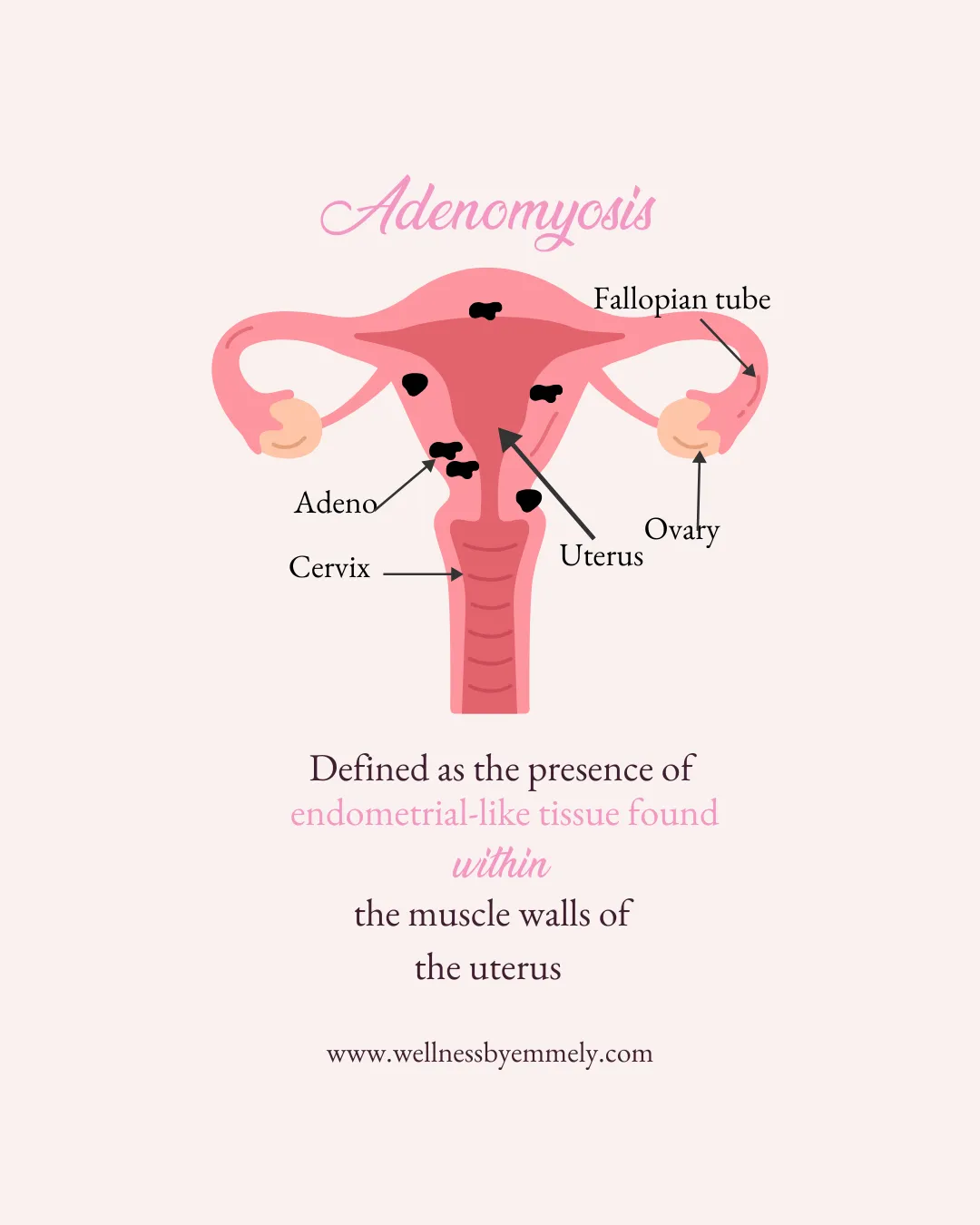
Adenomyosis is a chronic gynecological condition where endometrial-like tissue grows into the muscle wall of the uterus. This tissue behaves like the uterine lining during each menstrual cycle—it thickens, breaks down, and bleeds. The result can be heavy, painful periods and an enlarged uterus.
Although adenomyosis is most commonly diagnosed in women aged 35–50, it can affect younger women as well. Unfortunately, many people live with symptoms for years before receiving a diagnosis.
Let’s explore what adenomyosis is, why it happens, and what may help manage the symptoms.
Risk Factors for Adenomyosis
Some factors may increase the likelihood of developing adenomyosis:
Having had multiple pregnancies
Being in your late reproductive years (though it can occur earlier)
Previous uterine surgery (such as a C-section)
Without treatment, symptoms may progress and worsen over time.
Common Symptoms of Adenomyosis
Symptoms can vary from person to person. Some experience mild discomfort, while others face severe disruption to daily life.
Common symptoms include:
Severe menstrual cramps
Heavy or prolonged periods
Chronic pelvic pain
Worsening cramps with age
Pain during sex
Bloating and swelling
Painful bowel movements
Bladder pain when full
Frequent urination
Pressure on the bladder or rectum
Lower abdominal pain
Fertility challenges
Fatigue
Unexplained weight gain
Adenomyosis may also contribute to:
Anemia
Anxiety
Depression
These symptoms are real, valid, and deserve medical attention and support.
Why Does Adenomyosis Develop?
The exact cause of adenomyosis is still unknown. However, research from organizations like Mayo Clinic and Cleveland Clinic suggests several possible explanations:
Retrograde menstruation
Menstrual blood flows backward through the fallopian tubes instead of leaving the body, allowing endometrial-like cells to attach outside their normal location.
Embryonic cell changes
Hormones such as estrogen may transform early developmental cells into endometrial-type tissue later in life.
Surgical scar complications
Endometrial cells may attach to scar tissue after procedures like a C-section.
Inflammation after childbirth
Post-pregnancy inflammation may contribute to abnormal tissue growth.
Immune system involvement
The immune system may fail to recognize and remove misplaced endometrial tissue.
Together, these mechanisms allow cells to grow where they shouldn’t, causing inflammation, pain, and tissue fusion.
Estrogen also plays a significant role in the progression of adenomyosis. Symptoms often improve after menopause—but may return if hormone replacement therapy (HRT) is used.
Treatment Options for Adenomyosis
Treatment depends on symptom severity, age, and whether pregnancy is desired.
Medical options may include:
Anti-inflammatory medication
Pain relief medication
Hormonal therapy
Endometrial ablation (removal of uterine lining tissue)
A hysterectomy (removal of the uterus) is currently the only definitive cure, though it’s typically considered a last-resort option.
Always discuss treatment choices with a healthcare professional to find what works best for your situation.
Natural Ways Some People Relieve Adenomyosis Pain
While these approaches don’t treat the condition itself, many people report symptom relief:
Taking warm baths
Using heating pads or hot water bottles
Gentle movement such as yoga or walking
Applying castor oil to painful areas before sleep
Gentle abdominal massage to improve circulation
Small daily adjustments can sometimes make a meaningful difference.
Living With Adenomyosis
Adenomyosis can affect energy levels, emotional wellbeing, and quality of life. If you’re experiencing symptoms, know that support exists—and your pain deserves to be taken seriously.
Education is often the first step toward relief, diagnosis, and better treatment options.
You are not alone in this.
If you want to read about my journey getting my Adenomyosis diagnosed, read here.
If you want to learn more about Endometrios read my blog post.
Sources
@the_endo_space
praktisk medicin.se